Why You'll Love It
- - So quick to fry, no deep‑pan mastery required
- - Buttermilk gives a gentle rise without heavy eggs
- - Perfect for dusting with powdered sugar or a drizzle of honey
- - Makes a lovely centerpiece for brunch gatherings
*"These beignets are like clouds on a plate—pure joy in every bite!"*
Essential Ingredient Guide
- Buttermilk: Provides acidity that tenderizes the dough; choose full‑fat for richer flavor.
- All‑purpose flour: Look for a brand with moderate protein to give structure without toughness.
- Powdered sugar: A light dusting adds sweetness without soggy crumbs.
- Vanilla extract: A splash deepens aroma; use pure extract for best results.
- Lemon juice: A touch of citrus balances the richness and highlights the buttermilk.
- Honey (optional): Adds a mellow sweetness if you prefer a softer glaze.
Complete Cooking Process
-
Ingredient Readiness:
Measure flour, whisk buttermilk with sugar and let it rest for a few minutes; this hydrates the flour for a tender crumb.
-
Flavor Development:
When the batter rests, the buttermilk’s acidity interacts with the baking powder, creating gentle bubbles that lift the dough.
-
Texture Control:
Fry at a steady 350°F; too hot and the outside burns before the inside puffs, too low and they soak up oil.
-
Finishing Touches:
Immediately toss the hot beignets in powdered sugar; the residual heat helps the sugar cling.
-
Serving Timing:
Serve while still warm, when the interior is soft and the exterior is just crisp.
- Use a heavy‑bottomed pot for even heat distribution.
- Don’t overcrowd the oil; fry in batches for consistent texture.
- Let the batter rest 10 minutes for maximum rise.
- Keep the sugar in a shallow bowl for quick tossing.
Pro Tips
When the last batch is done, you’ll notice the kitchen filled with a buttery aroma that feels like a quiet sunrise. I like to sit with a cup of coffee, watching the steam rise, and think about how simple ingredients can turn into a moment of comfort. It’s those little pauses that make cooking feel like a gentle meditation.
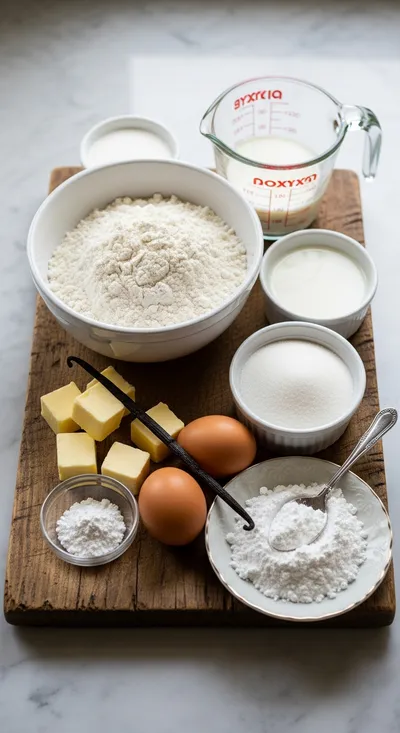
The essence of the dish:
A fun fact or historical angle:
Flavor or sensory focus:
You Must Know
- Heat oil to 350°F before the first drop.
- Rest the batter for 10 minutes.
- Dust immediately after frying.
Frequently Asked Questions
→ Can I use milk instead of buttermilk?
You can add 1 tablespoon of lemon juice to regular milk and let it sit 5 minutes; it will mimic buttermilk’s acidity.
→ How long can I keep leftovers?
Refrigerate in an airtight container for up to 2 days; re‑heat gently in a skillet to restore crispness.
→ What oil is best for frying?
Use a neutral oil with a high smoke point, such as peanut or vegetable oil, to keep the flavor clean.
→ Can I bake them instead of fry?
Yes, bake at 400°F for 12‑15 minutes, but they won’t have the characteristic light puff of a fried beignet.
→ Do I need a deep fryer?
A heavy pot or Dutch oven works well; just maintain a steady temperature with a thermometer.
→ What can I serve with them?
They pair beautifully with fresh berries, whipped cream, or a drizzle of honey for extra decadence.
Chef's Tips
If the batter seems too thick, add a tablespoon of milk; if too thin, a bit more flour helps.,For a richer flavor, replace half of the butter with melted coconut oil.,Serve warm; they lose their melt‑in‑mouth quality as they cool.
Nutrition Facts
per serving
280
Calories
6g
Protein
35g
Carbs
12g
Fat
Taste Profile
Warm, sweet, and buttery with a gentle tang.
Ingredient Substitutions
Don't have an ingredient? Try these alternatives
Use a 1:1 substitution; the texture may be slightly denser.
Let sit 5 minutes; provides similar acidity.
Recipe Variations
Try these delicious twists on the original
Spicy Version
Add a pinch of cayenne pepper to the batter and finish with a dusting of powdered sugar mixed with a dash of cinnamon.
Mediterranean Style
Fold in crumbled feta and chopped olives, then drizzle with a honey‑lemon glaze after frying.
Common Mistakes to Avoid
Learn from others' mistakes for perfect results
- Overcrowding the pot, which drops oil temperature.
- Skipping the batter rest, resulting in dense beignets.
- Using too much flour, making them heavy.
Meal Prep & Storage
Make Ahead Tips
You can prepare the batter up to 30 minutes ahead; keep it covered in the fridge and bring to room temperature before frying.
Leftover Ideas
Reheat gently in a skillet over low heat, covering for a minute to restore softness.
Perfect Pairings
Serve this with...
Cooking Timeline
Combine dry ingredients in a bowl; whisk together.
Mix wet ingredients, then combine with dry; let batter rest.
Heat oil to 350°F; test with a pinch of batter.
Fry beignets in batches, turning once, dust with powdered sugar.
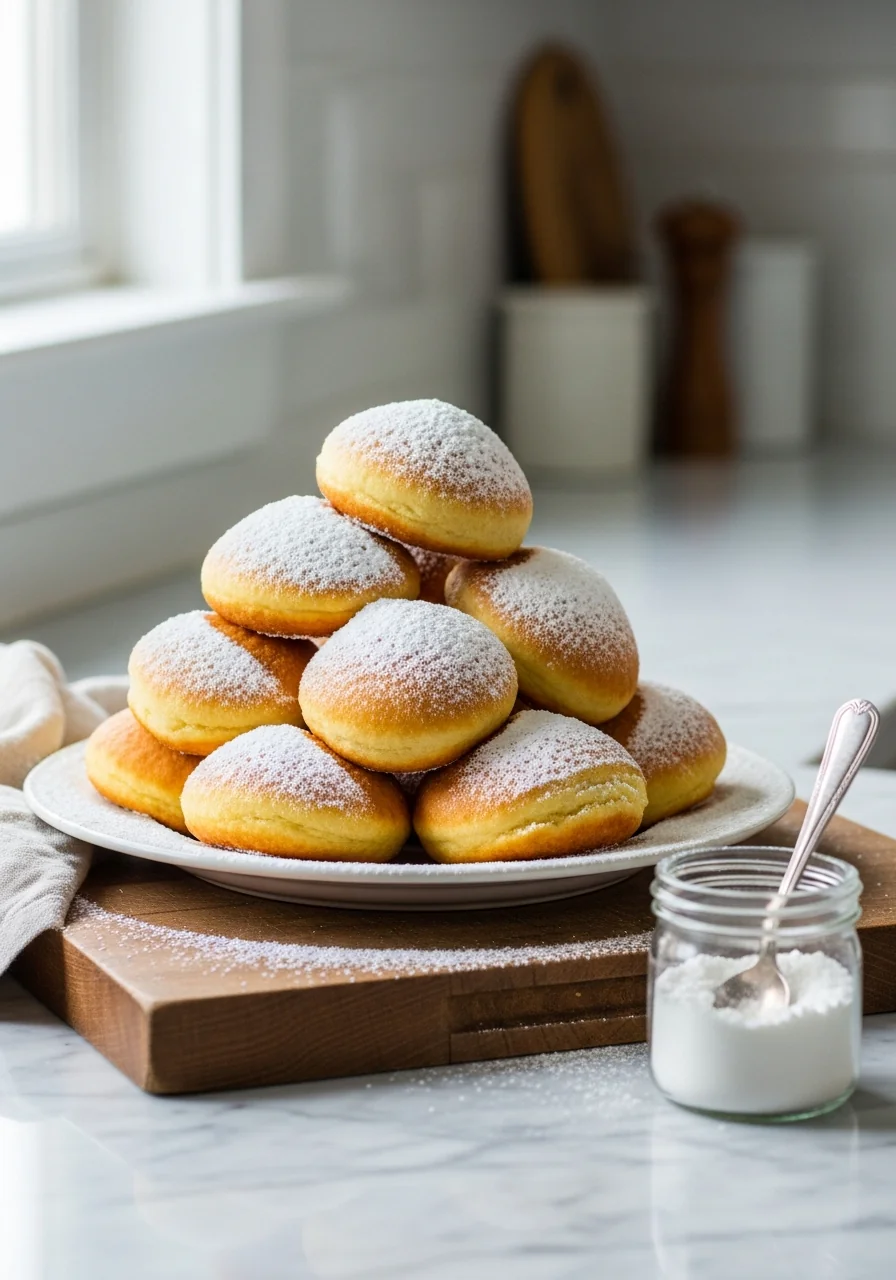
Buttermilk Beignets – Light, Fluffy, Heavenly
Airy, buttery buttermilk beignets that melt in your mouth—perfect for a cozy breakfast or sweet snack on a lazy weekend morning.
Timing
Prep Time
15 Minutes
Cook Time
25 Minutes
Total Time
40 Minutes
Recipe Details
Ingredients
Batter
- 01 1 cup all‑purpose flour
- 02 2 tbsp granulated sugar
- 03 1 tsp baking powder
- 04 1/2 tsp salt
- 05 3/4 cup buttermilk
- 06 1 large egg
- 07 1 tsp vanilla extract
- 08 1 tbsp melted butter
For Frying
- 01 2 cups vegetable oil
- 02 Powdered sugar, for dusting
Instructions
In a bowl whisk flour, sugar, baking powder, and salt together; this dry mix is the backbone of the beignet.
In another bowl combine buttermilk, egg, vanilla, melted butter, and a splash of lemon juice; give it a gentle beat.
Pour the wet mixture into the dry ingredients, stirring only until just combined—some lumps are okay, they keep the texture light.
Let the batter rest for 10 minutes while you heat oil to 350°F in a deep pot.
Drop spoonfuls of batter (about 2 tbsp each) into the hot oil; fry until golden, about 2‑3 minutes per side.
Using a slotted spoon, transfer beignets to a paper‑towel‑lined tray, then toss immediately in powdered sugar.
Notes & Tips
- 1 If the batter seems too thick, add a tablespoon of milk; if too thin, a bit more flour helps.
- 2 For a richer flavor, replace half of the butter with melted coconut oil.
- 3 Serve warm; they lose their melt‑in‑mouth quality as they cool.
Tools You'll Need
-
Heavy-bottomed pot or Dutch oven
-
Thermometer
-
Mixing bowls
-
Whisk
-
Slotted spoon
-
Paper towels
Must-Know Tips
- Don’t overcrowd the pot, Cook in batches to keep oil temperature steady.
- Pat the batter‑laden spoonfuls gently into oil to avoid splatter.
- Taste as you go, Adjust seasoning with a pinch of salt if needed.
Professional Secrets
- Room temperature ingredients, Ensures even rising.
- High heat for searing, Creates a light, airy crust.
- Dust with sugar while hot, Captures the sweet coating.

Recipe by
AmeliaAmelia is a seasoned food blogger and recipe creator at CookDishWorld, where she blends culinary expertise with an unwavering love for sharing delicio ...
Get Delicious Recipes Weekly
Join 25,000+ home cooks getting our best recipes straight to their inbox.
Free forever • No spam • Unsubscribe anytime