Why You'll Love It
- - Pure butter flavor in every bite
- - Versatile base for sweet and savory dishes
- - Satisfying tactile process of folding
- - No need for fancy equipment
*"The layers were so light, I could hear them whisper as I cut through"*
Essential Ingredient Guide
- All‑purpose flour: Choose a moderate‑protein flour; it provides structure without being too tough. Sift lightly for a smooth dough.
- Cold unsalted butter: Butter should be firm but pliable; cut into thin sheets. Its water content creates steam for lift.
- Ice‑cold water: A splash of water brings the dough together without melting the butter, keeping layers crisp.
- Salt: A pinch enhances flavor and helps tighten gluten for better puff.
- Lemon juice (optional): A few drops can tenderize the dough and add a subtle brightness.
- Sugar (optional for sweet pastries): Adds a hint of sweetness; use sparingly so the butter still shines.
Complete Cooking Process
-
Ingredient Readiness:
Measure flour, slice butter, and chill water. Everything stays cold to protect the butter layers.
-
Flavor Development:
Mix flour, salt, and optional sugar; gently combine with butter sheets to create the first lamination.
-
Texture Control:
Roll and fold the dough several times, allowing the butter to expand into thin, even sheets.
-
Finishing Touches:
Chill the rested dough, then roll out for your desired shape before baking.
-
Serving Timing:
Serve puff pastry hot, just as the layers separate and the crust turns golden.
- Keep everything cold; work quickly between folds
- Use a light dusting of flour to avoid sticking
- Rest the dough at least 30 minutes between turns
- Bake on a pre‑heated stone for extra lift
Pro Tips
Well, the real magic happens when the butter melts into steam, lifting each layer like a soft sigh. I find that letting the dough rest in the fridge after each fold lets the gluten relax, which prevents shrinkage. So, take a moment, sip a cup of tea, and let the dough chill—then watch the puff rise.
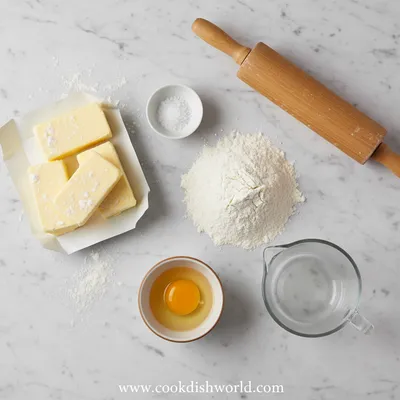
The essence of the dish:
A fun fact or historical angle:
Flavor or sensory focus:
You Must Know
- Keep butter cold
- Don’t over‑work the dough
- Rest between folds
Frequently Asked Questions
→ Can I use margarine instead of butter?
You could, but real butter gives the best flavor and steam for lift.
→ How long can I freeze puff pastry?
Wrap tightly and freeze for up to 2 months; thaw in the fridge before use.
→ Do I need a pastry cutter?
A knife or bench scraper works fine; just keep the butter cold.
→ Can I add herbs to the dough?
Yes, fold finely chopped herbs into the flour before adding butter for a savory twist.
→ What’s the ideal oven temperature?
Bake at a hot 400°F (200°C) to create rapid steam expansion.
→ How many folds are required?
Three classic “turns” (each turn is folding the dough into thirds) give beautiful layers.
Chef's Tips
If the butter softens too much while folding, return the dough to the fridge.,A light dusting of flour prevents sticking but don’t add too much.,For sweet pastries, sprinkle sugar on top before baking.
Nutrition Facts
per serving
220
Calories
3g
Protein
22g
Carbs
12g
Fat
Taste Profile
Rich buttery with a subtle salty finish
Ingredient Substitutions
Don't have an ingredient? Try these alternatives
Bread flour gives more gluten, so reduce quantity to keep layers tender.
Higher butterfat content enhances flavor and puff.
Recipe Variations
Try these delicious twists on the original
Spicy Version
Add a pinch of cayenne and a drizzle of hot honey after baking.
Mediterranean Style
Layer with feta, olives, and sun‑dried tomatoes before baking.
Common Mistakes to Avoid
Learn from others' mistakes for perfect results
- Letting butter warm too much, which reduces puff.
- Over‑mixing the dough, leading to tough texture.
- Skipping rest periods, causing shrinkage.
Meal Prep & Storage
Make Ahead Tips
You can prepare the dough, complete all folds, and freeze the rolled sheets for up to a month. Thaw before shaping and bake fresh.
Leftover Ideas
Reheat in a hot oven for 5 minutes to restore crispness; avoid microwaving.
Perfect Pairings
Serve this with...
Cooking Timeline
Gather and measure all ingredients; keep butter cold.
Mix flour and butter, add water, form dough, chill.
Roll, fold, and chill the dough three times.
Roll final sheet, cut shapes, brush with egg wash.
Bake until golden, then cool on a rack.
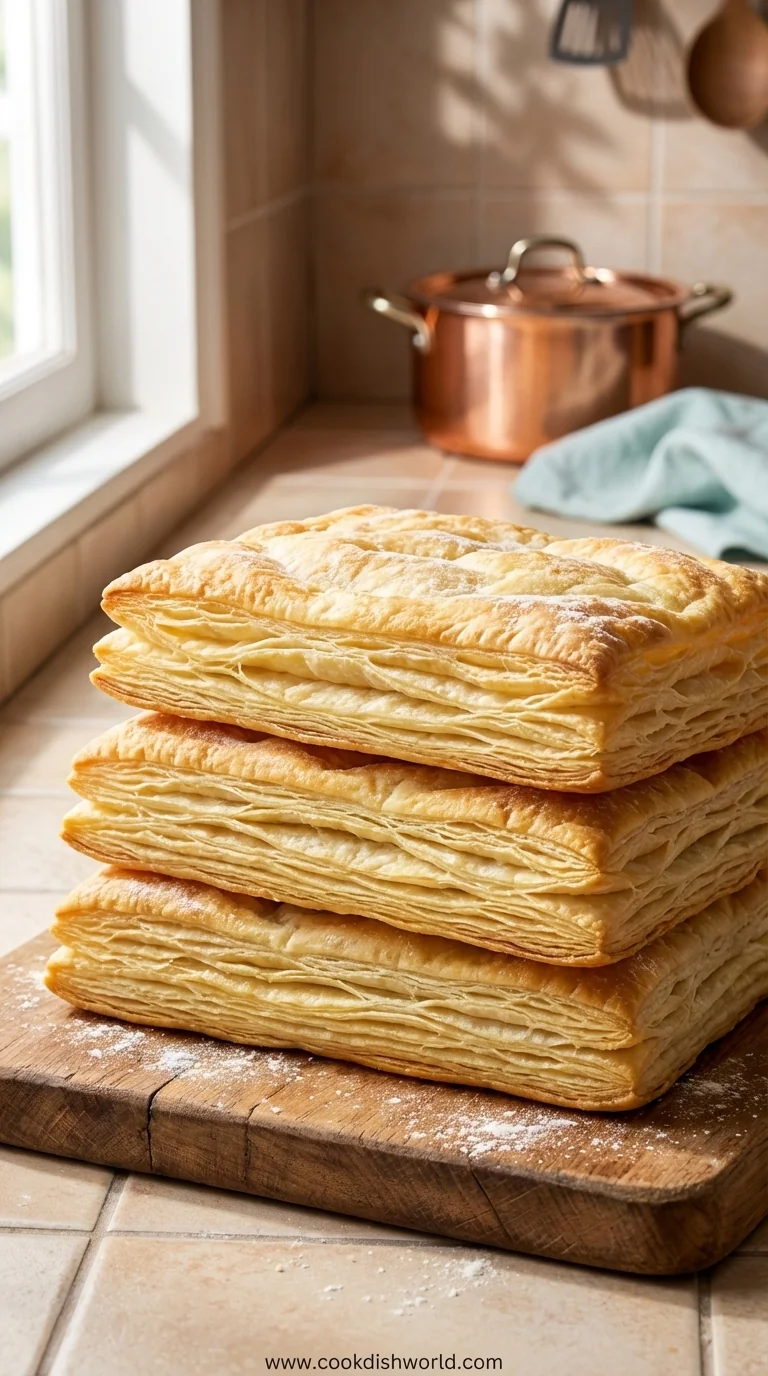
How to Make Homemade Puff Pastry
Learn to craft buttery, flaky puff pastry at home with simple steps. Perfect for pastries, tarts, and desserts, this guide walks you through the gentle art of lamination.
Timing
Prep Time
30 Minutes
Cook Time
20 Minutes
Total Time
50 Minutes
Recipe Details
Ingredients
Main Ingredients
- 01 2 1/2 cups all‑purpose flour
- 02 1 tsp salt
- 03 1 tbsp sugar (optional)
- 04 1/2 cup unsalted butter, cold and cut into thin sheets
- 05 3/4 cup ice‑cold water
- 06 1 tsp lemon juice (optional)
Instructions
In a bowl combine flour, salt, and sugar; whisk gently.
Add the cold butter sheets, using a pastry cutter or fingertips to rub until the mixture looks like coarse crumbs.
Drizzle ice water (and lemon juice if using) and mix just until the dough comes together; avoid over‑mixing.
Form the dough into a rectangle, wrap in plastic, and chill for 30 minutes.
Roll the chilled dough into a long rectangle, fold it into thirds (like a letter), turn 90°, and chill again for 20 minutes.
Repeat the roll‑fold‑chill process two more times, for a total of three turns.
Roll out to desired thickness, cut shapes, brush with egg wash, and bake at 400°F for 15‑20 minutes until golden.
Notes & Tips
- 1 If the butter softens too much while folding, return the dough to the fridge.
- 2 A light dusting of flour prevents sticking but don’t add too much.
- 3 For sweet pastries, sprinkle sugar on top before baking.
Tools You'll Need
-
Rolling pin
-
Pastry cutter or fork
-
Plastic wrap
-
Baking sheet
-
Parchment paper
-
Oven
Must-Know Tips
- Don’t rush the folds; keep ingredients cold.
- Let the dough rest between turns to relax gluten.
- Use a hot oven to create rapid steam.
Professional Secrets
- Cold butter creates steam pockets for lift.
- A high oven temperature ensures quick puff.
- Resting the dough prevents shrinkage.

Recipe by
AmeliaAmelia is a seasoned food blogger and recipe creator at CookDishWorld, where she blends culinary expertise with an unwavering love for sharing delicio ...
Get Delicious Recipes Weekly
Join 25,000+ home cooks getting our best recipes straight to their inbox.
Free forever • No spam • Unsubscribe anytime