Why You'll Love It
- - Effortless slow‑cooker method
- - Deep, balanced Korean flavors
- - Tender beef that falls apart
- - Perfect for busy weeknights
*"The broth was so rich I could taste the love in every spoonful!"*
Essential Ingredient Guide
- Beef chuck: Choose well‑marbled chuck for richness; trim excess fat and cut into bite‑size pieces.
- Wheat noodles: Look for thick, chewy noodles that hold sauce well; rinse briefly after cooking.
- Gochujang paste: Adds gentle heat and umami; adjust amount for your spice tolerance.
- Soy sauce: Provides salty depth; low‑sodium version keeps the dish balanced.
- Rice vinegar: A splash brightens the broth and cuts richness.
- Brown sugar: A touch of sweetness rounds out the flavors without cloying.
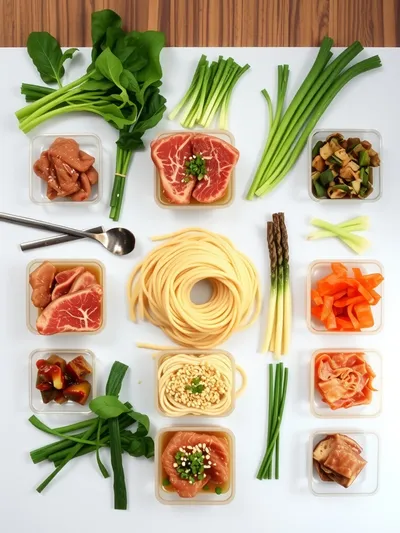
Complete Cooking Process
-
Ingredient Readiness:
Trim and cube the beef, rinse the noodles, and whisk together the sauce base.
-
Flavor Development:
Sauté garlic and ginger briefly before adding the sauce, letting aromatics bloom.
-
Texture Control:
Cook the beef low and slow, then add noodles at the end to keep them tender.
-
Finishing Touches:
Stir in a splash of sesame oil and garnish with scallions and toasted sesame seeds.
-
Serving Timing:
Serve hot, right after the final stir, for maximum warmth and aroma.
- Sear the beef briefly before slow cooking for extra depth
- Use broth rather than water for richer flavor
- Add the noodles in the last 15 minutes to avoid mushiness
- Let the dish rest a few minutes before serving to settle the flavors
Pro Tips
Well, those little adjustments can turn a good bowl into something truly memorable. I mean, the difference between a simple stew and a comforting experience often lies in those tiny details. So, take a breath, enjoy the process, and trust the slow cooker.
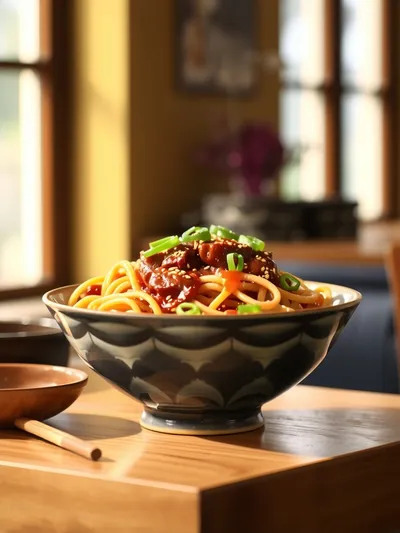
The essence of the dish:
A fun fact or historical angle:
Flavor or sensory focus:
You Must Know
- Use a heavy‑bottom pot if you skip the slow cooker
- Adjust soy sauce for salt level
- Add sesame oil at the end for aroma
Frequently Asked Questions
→ Can I use flank steak instead of chuck?
Yes, thinly sliced flank works, but cook time may be shorter; watch for toughness.
→ What noodle type is best?
Thick wheat noodles or udon hold the sauce well; rice noodles can be used for a lighter feel.
→ How spicy is the dish?
Mild to medium; adjust gochujang or add a dash of chili oil for extra heat.
→ Can I make this vegetarian?
Swap beef for firm tofu or tempeh and use vegetable broth; keep the same sauce.
→ Is it freezer‑friendly?
Yes, store the broth and beef separate from noodles; reheat gently and add fresh noodles.
→ What side pairs well?
A simple cucumber kimchi or steamed greens complement the flavors nicely.
Chef's Tips
If you prefer a spicier broth, add a spoonful of sriracha or extra gochujang.,For a richer flavor, sear the beef pieces in a hot pan before adding to the slow cooker.,Adjust the sweetness by tasting the sauce before cooking; add more brown sugar if needed.
Nutrition Facts
per serving
420
Calories
30g
Protein
45g
Carbs
14g
Fat
Taste Profile
A balanced, warm, and mildly sweet‑savory profile
Ingredient Substitutions
Don't have an ingredient? Try these alternatives
Lamb provides a richer flavor; adjust cooking time slightly.
Great for gluten‑free version; taste may be slightly less salty.
Recipe Variations
Try these delicious twists on the original
Spicy Version
Add extra gochujang and a dash of chili oil for a kick.
Mediterranean Style
Swap gochujang for sun‑dried tomato paste and finish with feta crumble.
Common Mistakes to Avoid
Learn from others' mistakes for perfect results
- Overcooking the noodles, which makes them mushy.
- Adding too much salt early; the broth reduces and concentrates.
- Skipping the sear, which reduces depth of flavor.
Meal Prep & Storage
Make Ahead Tips
You can marinate the beef in the sauce up to 24 hours ahead; store refrigerated and add to the slow cooker when ready.
Leftover Ideas
Reheat gently on the stovetop, adding a splash of broth if needed to keep noodles moist.
Perfect Pairings
Serve this with...
Cooking Timeline
Prep beef, slice noodles, and whisk sauce ingredients together.
Cook beef on low in the slow cooker until fork‑tender.
Add noodles, stir, and let them absorb the broth.
Finish with sesame oil, garnish, and serve.
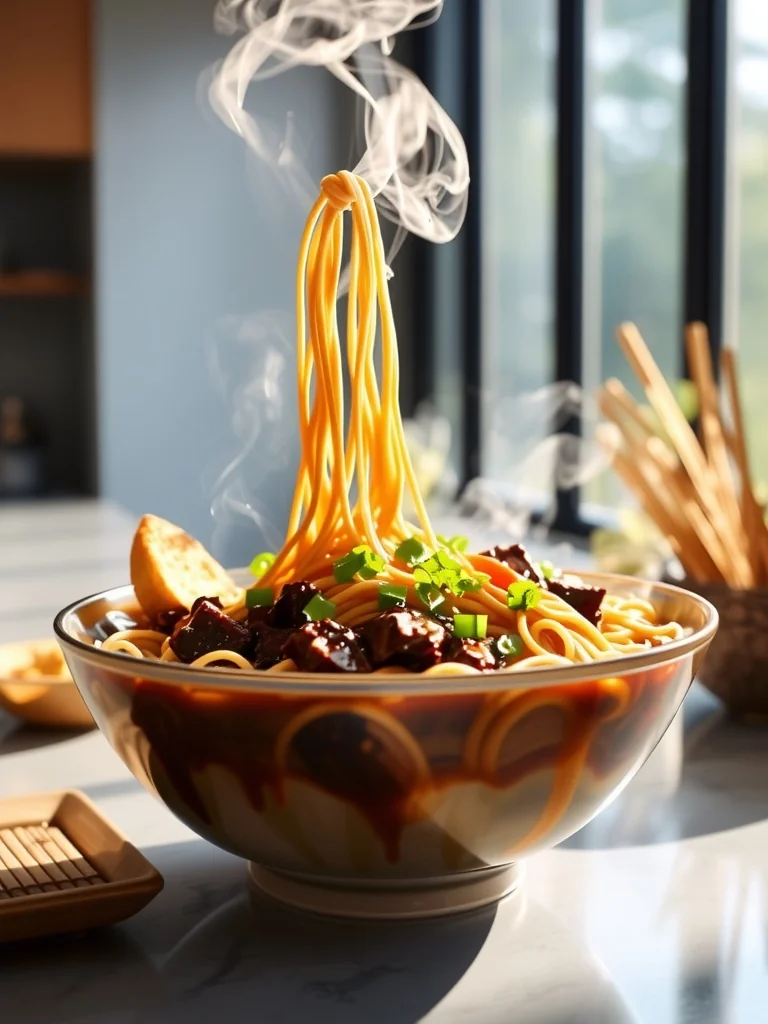
Korean Beef Noodles – Slow Cooker Comfort
Savor tender Korean beef noodles slow‑cooked to perfection for a warm, comforting meal that hugs you on a chilly evening. The broth is aromatic, the noodles are silky, and the beef melts with every bite.
Timing
Prep Time
15 Minutes
Cook Time
4 Hours
Total Time
4 Hours 15 Minutes
Recipe Details
Ingredients
Main Ingredients
- 01 1.5 lb beef chuck, cut into 1‑inch cubes
- 02 12 oz wheat noodles
- 03 2 tbsp gochujang paste
- 04 1/4 cup soy sauce
- 05 2 tbsp brown sugar
- 06 3 cups low‑sodium beef broth
- 07 2 tsp freshly grated ginger
- 08 3 garlic cloves, minced
- 09 1 tbsp sesame oil
- 10 2 tsp rice vinegar
- 11 2 green onions, sliced
- 12 1 tbsp toasted sesame seeds
Optional Garnish
- 01 Fresh cilantro leaves
- 02 Sliced red pepper
Instructions
Season the beef with a pinch of salt and pepper, then place it in the slow cooker.
In a bowl, whisk together gochujang, soy sauce, brown sugar, ginger, garlic, broth, and rice vinegar; pour over the beef.
Cook on low for 3½ hours, or until the meat is fork‑tender.
About 20 minutes before serving, add the noodles, stir, and let them soften in the broth.
Finish with a drizzle of sesame oil, sprinkle green onions and sesame seeds, and serve hot.
Notes & Tips
- 1 If you prefer a spicier broth, add a spoonful of sriracha or extra gochujang.
- 2 For a richer flavor, sear the beef pieces in a hot pan before adding to the slow cooker.
- 3 Adjust the sweetness by tasting the sauce before cooking; add more brown sugar if needed.
Tools You'll Need
-
Slow cooker
-
Large mixing bowl
-
Measuring spoons
-
Whisk
-
Knife
-
Cutting board
Must-Know Tips
- Don’t overcrowd the slow cooker; cook in batches if needed.
- Let the broth rest a few minutes before adding noodles for even cooking.
- Taste and adjust seasoning after the beef is tender.
Professional Secrets
- Use a touch of toasted sesame oil at the end for deeper aroma.
- Brown the beef briefly for caramelized flavor.
- Deglaze the pan with a splash of broth to capture all the browned bits.

Recipe by
AmeliaAmelia is a seasoned food blogger and recipe creator at CookDishWorld, where she blends culinary expertise with an unwavering love for sharing delicio ...
Get Delicious Recipes Weekly
Join 25,000+ home cooks getting our best recipes straight to their inbox.
Free forever • No spam • Unsubscribe anytime